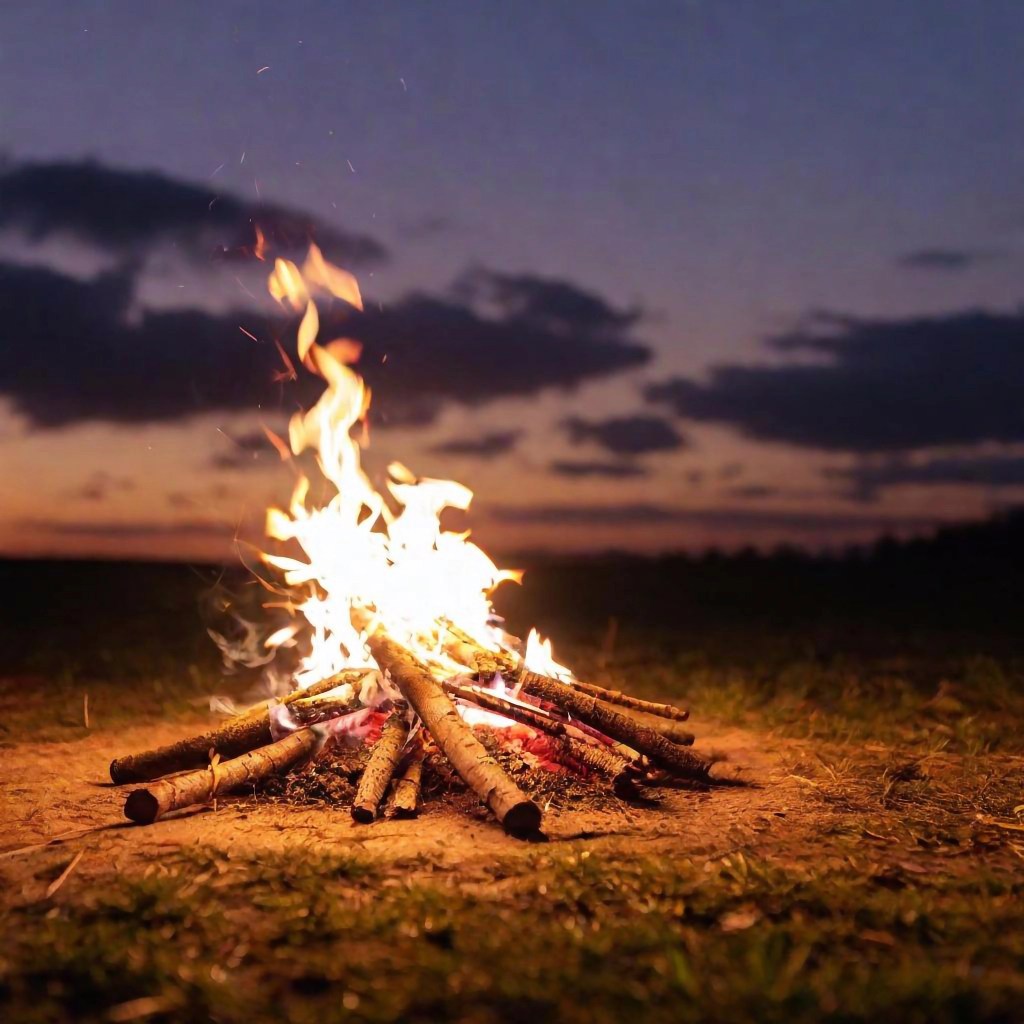
The Hearth of Friendship

The journey of high school can be an extremely stressful one, making it very important to have people around you to relieve that stress. People you can rely on, talk to, and joke with. The pressure of high school will weed out those true friends who will stick with you through anything. These friends provide emotional support, help you grow, and enrich your daily life with fun and joyful moments.

My friends are my anchors that keep me steady, no matter how rough the storm gets. More than just a support system, they fulfill the fundamental human need to belong, providing a safe space where I am accepted. They help me feel like I belong and are always ready to help me whenever I need it. I remember feeling on the verge of tears after a harsh comment from a teacher. Just as I was about to cry, my friends surrounded me, pulling me into a collective embrace. It was an unspoken understanding, like they instinctively knew a hug was the only comfort I needed in that exact moment. This single act made me reaffirm why I love my friends so much. It doesn’t matter that we get into silly arguments, because they are always there for me when I need them. 

Another thing that I really appreciate about my friends is that they never hesitate to offer their opinion. They are always ready to provide new perspectives without worrying about what others might think, and they challenge me to become a better and more confident person without even realizing it. Moments like these make me think about how friendships affect us beyond just the emotional side, and how these small interactions actually impact me. Strong friendships make a real difference in your mental health. The simple act of connecting with friends can trigger the release of endorphins, the body’s natural feel-good chemicals, which helps calm the stress response and improve mood. This support system provides essential emotional needs like a sense of belonging and purpose, and encourages better lifestyle habits, whether that be regular exercise or avoiding risky behaviors. I’ve felt this in my own life — being around them genuinely makes me feel calmer and happier.

Lastly, good friends are experts at making your day better with just a sentence. Whether it’s getting mad at the person you currently dislike, cracking a joke because you are sad about something, or just a simple “How are you?” True friends can always make your day more enjoyable by just being there for you, whenever you need them. From the outside, these interactions may seem small, but good friends recognize that these tiny acts of kindness and presence often mean the most when you are having a bad day.

In general, having trusted friends, whether that be in high school or your everyday life, can help you in so many ways. Companions like these will never let you feel down for too long or let you have a bad day on your own. They will support you, help you grow, and at the same time fill your life with a bunch of fun and joyful moments. If you want to start being a good person in life, start by being a good friend. I am glad I found mine.

The Synoikia Gathering: The Unity of Homecoming Week

Before I start with this post, I apologize for not being able to post for the past month. It has been a busy month for me with numerous tests, festivals, and activities. But for today, I would like to write about the high school community, especially around homecoming. 

Since it was my first year of high school, I didn’t know what to expect during the week of homecoming, though I knew it was going to be a huge thing; but nothing really prepared me for how the whole school revolved around it and its activities.

Float Parade

The first activity that started was float building. From a month or two before homecoming, the floats for each grade started getting constructed. Floats were displayed on the roads in a parade, which we actually got to walk in! Each year, there is a theme for homecoming, and this year it was mobile games. So, unfortunately (or fortunately, depending on how you look at it), we got Among Us since we were the youngest class. Our class had to create a float with this theme. One side would be painted, while the other side would be made up of paper flowers and moving components. 

The day before the parade, we mounted the floats onto trucks that would drive the parade route. Due to the parade, the police had to stop and redirect traffic to make sure that we were safe while walking the roads. In total, the parade was around 2.5 – 3 miles. We walked past two elementary schools that were even more excited than us about the parade. Even though my legs were really tired by the end of it, I could not have asked for a better experience.

Spirit Week Energy

The school schedule was also changed because of the parade. School started at 10 that day as opposed to the usual 8:45. And because they did not want the teachers the day before to get extra time to teach us, school had also started late the day before! It was really crazy to see how the school community revolved around the activities of this week. Also, because our teachers knew we would be busy, they refrained from assigning us too much homework, which I found really surprising. My usual convention of teachers is that they give the most homework on the busiest weeks for the students, so I was pleasantly surprised when we got minimal homework for a week.

During this time, the kids in school were also so pepped up and fun to talk to. Usually, when walking in the hallways, everyone is busy talking to their friends or they are walking idly, thinking about homework, but for this week, I actually had so many interactions with so many people. Since it was spirit week, we were all dressed up for the day, and people were appreciating each other’s outfits while passing. It was the most school spirit I had ever seen!

The Dance (and Football Game)

And then there was the dance. Everyone put in so much effort to get ready for this three-hour dance. The food was really good, since it also doubled as a club fundraiser. They were playing great music, and the vibes were overall very nice. My favorite part was getting ready for the dance and the football game the night before. The dance itself wasn’t that exciting (that might just be my opinion, though). My favorite part was actually the football game, which came the night before. The whole school was up and stomping their feet and cheering when we went to the fourth quarter and eventually overtime, when seconds before, everyone was completely silent and bored. Even the seniors present were saying that this was the most excited they had seen our school for any game. At the end, we won by a point because the other team missed the field goal. 

My Takeaways

Overall, HOCO week was a great experience with the parade, football game, and dance. I will definitely do this again next year and try to be even more involved in the whole homecoming experience, whether it be float building or participating in more spirit days. The most important thing I learned from this is that it is essential to cherish these fun moments in your high school career and be as involved as you can, so you don’t regret it later. Homecoming showed me how fun high school can be if you are involved, so next year, I am definitely helping with the float from day one.

The Curse of Sisyphus

We have all heard the story of Sisyphus: the mortal cursed to push a boulder up a mountain, only for it to roll back down as soon as it reached the top. Sometimes, this is exactly what high school feels like. Just like Sisyphus, we are tasked with an impossible goal: being perfect. Perfect grades, perfect activities, a flawless transcript—the list never ends. While it’s important to do well, perfection is a stretch.

The pressure to be perfect comes from every direction—grades, extracurriculars, parents, peers, and even ourselves. We’re always comparing test scores and silently competing to see who can get the best grades. Sometimes, it even feels like a contest to see who can survive on the least amount of sleep. Somewhere along the way, it starts to feel as if you aren’t the best, you aren’t enough. That’s the hidden reality behind the polished surface of high school life.

It’s an endless cycle of achievements. You study for a test and do well, but instead of relief, you feel pressure to do even better next time. Then it starts all over again. Like Sisyphus, the moment you reach the top, the boulder rolls back down, leaving you exhausted but expected to keep pushing.

I’ve definitely put that pressure on myself, too. In science class once, I earned some extra credit. The teacher said there wouldn’t be any other chances, so I became obsessed with turning in perfect assignments. I spent hours making sure every detail was right. When I eventually lost one point on an assignment, my grade dropped to 100%, and instead of feeling proud, I was disappointed. Most people would’ve been thrilled just to have that grade at all.

Chasing perfection like this comes at a cost. We lose sight of what really matters: the joy of learning, pride in small achievements, and even the fun in group projects and hobbies. Stress and burnout pile up. Even subjects we enjoy start to feel like chores. No matter how hard we push, expectations roll back down the hill, leaving us tired and unsatisfied.

There is another side, though. When we focus on doing our best in a balanced way, striving for excellence can feel natural rather than exhausting. Spending time on assignments can actually help us understand the material better, prepare for tests, and build confidence in what we can do. It also teaches discipline, time management, and attention to detail.

The challenge is knowing when to stop. Going too far can quickly lead to stress and burnout. The key is figuring out what really matters, recognizing when an assignment deserves full effort, and when it’s okay to settle for “good enough.” This mindset makes bigger projects and tests feel less intimidating and reminds us that excellence isn’t about perfection—it’s about showing up, giving your best, and learning from your mistakes.

Even when the pressure feels endless, it doesn’t have to control us. Like Sisyphus, we can’t stop the boulder from rolling entirely, but we can choose how we push it—finding balance, celebrating small wins, and remembering why we’re here: to learn, grow, and enjoy the journey, even when the boulder keeps rolling back.

The Four Fates of High School

One of the first things I realized about high school is that all teachers have their own styles, and you have to adjust to them fast. So far, I’ve identified four types: the super particular one, the too-nice one, the one who goes off on tangents, and the teacher who talks way too slow.

I have this one teacher who is very particular about everything. She has everything color-coded, sources for every detail, and checks every word in your assignment. Honestly, though, I like these types of teachers because at least you know exactly what they expect, and you can edit your work to match. And you can actually learn something. That’s definitely better than the teacher who’s too nice to tell you what you’re doing wrong.

The too-nice teacher tries so hard to make everyone happy that just showing up feels like an achievement. She’s the sweetest person on Earth, but my class takes advantage of her constantly. She gets frustrated but won’t show it because she’s afraid of hurting feelings. Honestly, I think she’d be more effective if she reprimanded people more instead of letting us run the show.

Then there’s the tangent teacher. You learn about the subject maybe half the time, and the other half is their life story. It’s entertaining, and sometimes the class feels more like story hour than a lesson. But it’s also frustrating when a test is coming up, and instead we’re hearing about the time they spent three hours waiting in line at Disneyland.

And finally, the slow talker. We should get an A+ in that class just because we can stay awake. On the first day, they told us to write our names on index cards. But by the time they added, “If it’s the same as your preferred name, leave it blank,” we’d all already finished writing and were halfway through erasing. And the worst part is, this is one of my hardest classes, so if I zone out for even a second, I’m failing the next test.

At the end of the day, surviving high school means figuring out your teachers’ styles and adjusting fast. High school isn’t just about the subjects; it’s about learning to balance and adapt to all kinds of people, teachers included.

Pandora’s Phone

Just like Pandora’s box, our phones hold both gifts and challenges. In high school and life, knowing how to navigate them is key.

Phones have practically become the symbol of our generation. If you ask someone to describe teens, chances are they’ll say: moody, changing, and glued to their phones.

Honestly, fair enough. We are the first generation to grow up with phones, and with that come big benefits and some major setbacks.

Phones make school life easier: instant communication, quick access to information, last-minute class updates, and organizing group projects fast. But as helpful as they are, they can also be incredibly distracting, especially when time is tight.

Apps like Instagram and TikTok are designed to keep us scrolling. Seeing everyone’s perfectly curated lives can make it easy to compare ourselves and feel like we are not enough. In high school, where everyone is trying to fit in, that pressure can feel even heavier. So much happens online, from group chats to drama, that face-to-face conversations can start to feel awkward and stressful.

On a bigger scale, overusing phones can affect mental and physical health, causing anxiety, sleep problems, and shorter attention spans. They can lower productivity, create social isolation, and even lead to privacy and safety concerns.

And, this isn’t just something I’ve read about, I’ve seen it happen around me, and sometimes I fall into the same trap. In previous years, I’ve watched classmates skip class, ignore instructions, or waste valuable learning time just to check their phones. Maybe to post a dance, text friends, or play a game.

I’ve also been guilty myself. Many times when I don’t feel like starting a task, I just open YouTube and start scrolling, even though I know I’m not using my time well. Eventually, I get back to my task, but that time is gone forever.

Phones are not all bad, and they are definitely not going anywhere. But finding balance, knowing when they help us and when they hurt us, is becoming more important than ever. At the end of the day, phones are just tools. How we use them can make our lives easier or a lot more complicated.